Kapuskasing Water Crisis
Evacuees in the hundreds displaced · Multiple confirmed cases of infections
Executive Summary
A severe water contamination emergency in Kashechewan First Nation forced the evacuation of hundreds of residents, with the Town of Kapuskasing, Ontario serving as one of the primary host communities. The crisis began when failures in Kashechewan's water and wastewater infrastructure allowed raw sewage to contaminate the community's drinking water system, triggering an outbreak of Cryptosporidium — a waterborne parasite that causes significant gastrointestinal illness and poses serious risk to vulnerable groups. As public health concerns escalated, Kashechewan leadership declared a state of emergency and coordinated with provincial and federal authorities to evacuate residents. Kapuskasing absorbed much of the displaced population, providing temporary accommodations, meals, transportation, healthcare access, and social services. The emergency placed substantial strain on host-community services and produced significant mental health impacts tied to sudden displacement and uncertainty. The event underscored long-standing vulnerabilities in water and wastewater infrastructure across remote northern communities, and the importance of rapid public health intervention and strong partnerships between Indigenous communities, municipalities, healthcare providers, and emergency management agencies.
Crisis Context
The emergency originated with pump failures in Kashechewan's water and wastewater system, which allowed raw sewage to contaminate the community's drinking water supply. The contamination led to confirmed cases of Cryptosporidium infection, escalating a technical infrastructure failure into a full public health emergency. Cryptosporidium spreads through contaminated water and can cause severe diarrhea, stomach cramps, dehydration, nausea, and fever, with young children, older adults, pregnant individuals, and the immunocompromised at greatest risk. The outbreak drove increased demand on healthcare services — requiring enhanced surveillance, medical assessments, treatment of symptomatic individuals, and public health education on hygiene and infection prevention — and raised widespread concern about the safety of drinking water, food preparation, and personal hygiene. Mental health impacts were significant, with displacement, uncertain evacuation timelines, and worry over loved ones driving elevated stress and anxiety. The evacuation placed heavy demands on host communities, with Kapuskasing acting as a primary reception centre for temporary housing, meals, transportation, healthcare, and social services. Evacuees faced separation from community supports, interrupted education and employment, and difficulty maintaining cultural and social connections. Families with young children, elders, and people needing ongoing medical care faced added hardship.
Deployment Overview
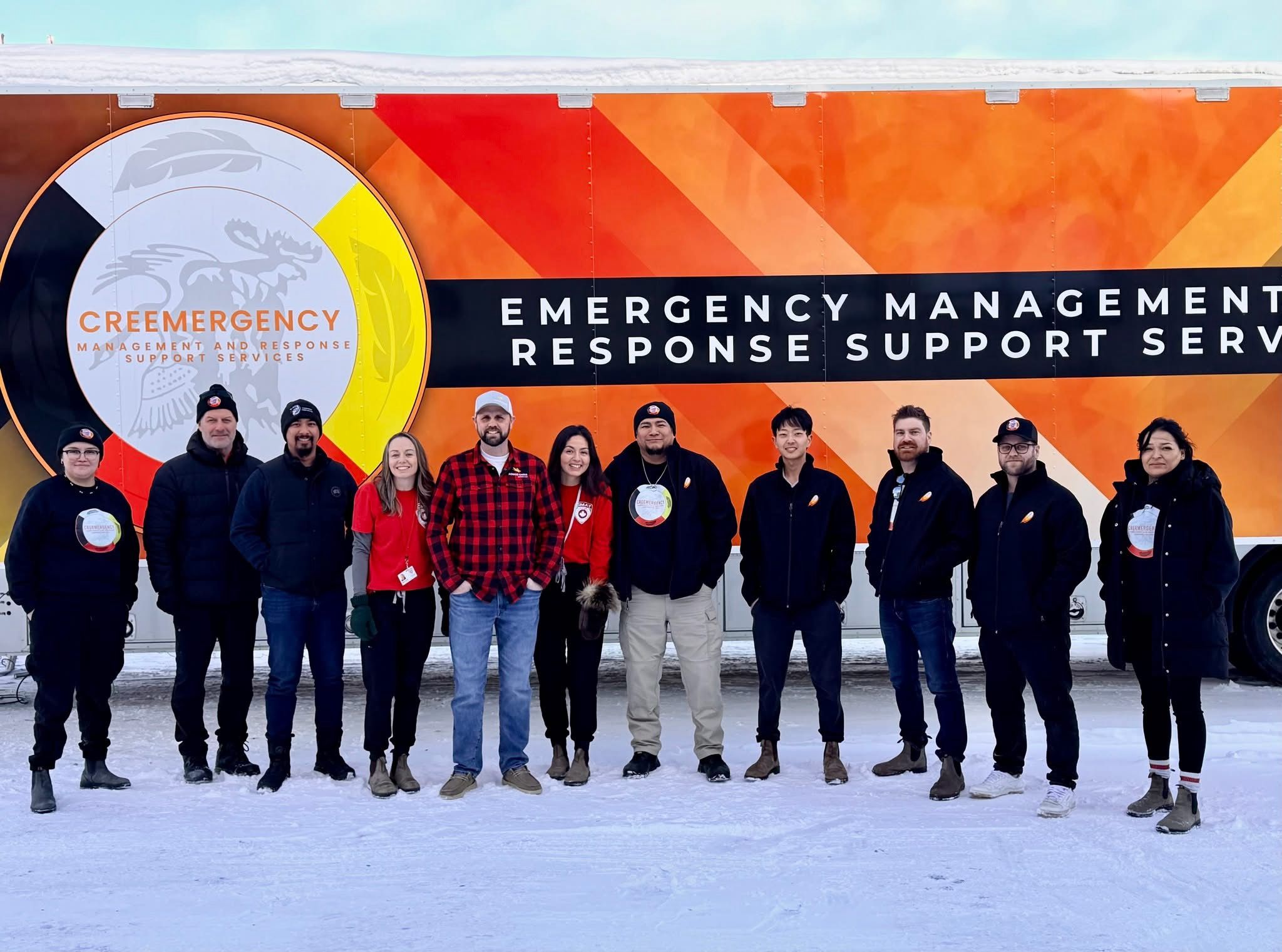
The contamination rendered the local water system unsafe and required emergency water-quality testing, system assessments, repairs, and alternative water supply measures. The response was complicated by the community's remote location, the multi-agency coordination needed for large-scale evacuation and transport, the need to balance outbreak management with ongoing care for displaced residents, maintaining communication and culturally appropriate supports, and the dependence of recovery on both infrastructure repairs and confirmation that the water system could safely return to operation. The conditions above defined the operating environment for the response: a displaced population concentrated in a host community far from home, an active waterborne-disease outbreak, and strained local services. The priorities are: - Medical assessment and treatment of symptomatic Cryptosporidium cases, with attention to vulnerable groups (young children, elders, pregnant individuals, the immunocompromised). - Enhanced disease surveillance and infection-prevention measures within reception/accommodation settings. - Public health education on hygiene, safe water and food handling, and infection control. - Mental health and psychosocial support for displaced families coping with uncertainty and separation. - Support to host-community healthcare and social services experiencing surge demand, with culturally appropriate care for evacuees.
Key Statistics
| Metric | Result | |
|---|---|---|
| Affected community | Kashechewan First Nation | |
| Cause of emergency | Water/wastewater pump failure → raw sewage contamination of drinking water | |
| Disease outbreak | Cryptosporidium (waterborne parasitic infection) | |
| Populations at highest risk | Young children, older adults, pregnant individuals, immunocompromised |