Nepal Earthquake
Up to 2,400 treatments · Up to 100 outpatients/day
Executive Summary
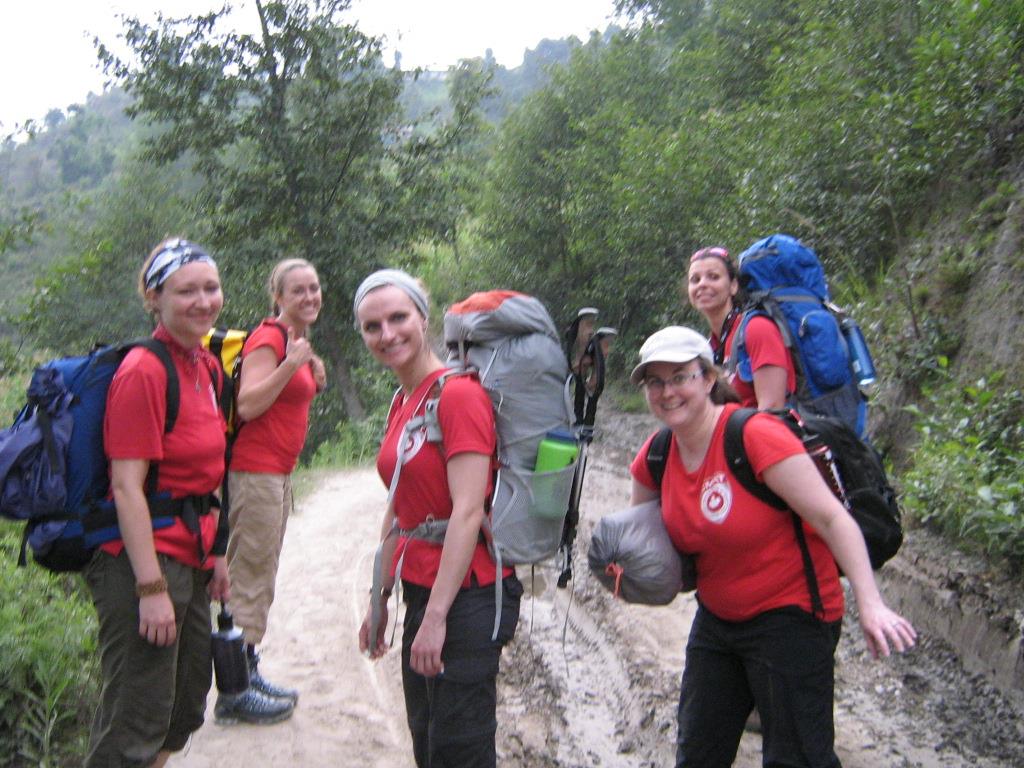
After the 25 April 2015 Mw 7.8 earthquake struck Nepal, Canadian Medical Assistance Teams (CMAT) mobilized a rapid assessment cell with Urban Search and Rescue collaborators and deployed an inter‑professional Type‑1 medical team. Operations focused on primary health care through mobile clinics in remote mountain villages near Baluwa, Gorkha District, then the establishment of an inflatable field clinic as logistics allowed. CMAT’s Team 1 comprised approximately 15 clinicians and logisticians. Essential medicines provided by Health Partners International of Canada (HPIC) enabled up to 2,400 treatments. CMAT integrated with WHO Health Cluster coordination, registered as a Foreign Medical Team (FMT), and maintained capacity to see up to 300 outpatients per day under the Type‑1 profile.
Crisis Context
The earthquake caused large‑scale loss of life and infrastructure damage across central Nepal, disrupting health, water and transport systems. International coordination under the Government of Nepal and WHO mobilized Foreign Medical Teams (FMTs) to support essential health services and outreach to remote communities.
Deployment Overview
Following the April 25, 2015 Nepal earthquake, CMAT initiated its response on April 26 by announcing the deployment of a rapid assessment team in partnership with Burnaby Fire Department Canine/USAR partners. Assessment and USAR elements arrived in Kathmandu on April 28–29, attending WHO Health Cluster meetings to coordinate relief efforts. In early May, Team 1 — approximately 15 personnel — departed Canada equipped with HPIC Physician Travel Packs and began mobile clinic operations while field hospital equipment cleared customs and logistics. Through May and June, mobile outreach expanded around Baluwa in the Gorkha district, and an inflatable clinic was established upon arrival of the remaining equipment. Clinical operations delivered primary health care through both mobile and fixed Type-1 modalities, encompassing fracture reduction and splinting, wound care and suturing, maternal and newborn care, communicable disease management, and psychosocial first aid, with medicines sourced through HPIC supporting outpatient care across remote settings.
References
1. Health Partners International of Canada; Canadian Medical Assistance Teams. Canadian volunteers and Canadian‑donated medicines en route to Nepal through HPIC and CMAT. Toronto: HPIC/CMAT; 1 May 2015.
2. Canadian Medical Assistance Teams. Media advisory: CMAT Assessment and Canine/Urban Search and Rescue teams departing Vancouver for Nepal. Toronto: CMAT; 26 Apr 2015.
3. Canadian Medical Assistance Teams. FMT Registration Form – Nepal Earthquake. 25 Apr 2015.
4. Canadian Medical Assistance Teams. Communications Package 2016: Deployments and organizational background. Toronto: CMAT; 2016.
5. HPIC; CMAT. Joint press release (updated) – team departure and Physician Travel Packs enabling up to 2,400 treatments. Toronto: 2015 May.
Partners
- WHO‑led Health Cluster
- HPIC
- Municipal authorities and community leaders in Gorkha
Key Statistics
| Metric | Result | Source |
|---|---|---|
| Deployment type | Type‑1 EMT (mobile + fixed inflatable clinic) | Registered FMT; WHO Health Cluster coordination. [3,1] |
| Outpatient capacity | Up to 300 consultations/day | Declared on FMT registration form. [3] |
| Team 1 size & mix | ≈15 volunteers (MDs, NPs, RNs, paramedics, logistics) | HPIC/CMAT releases. [1,5] |
| Medicines supplied | Physician Travel Packs enabling up to 2,400 treatments | HPIC partnership. [1,5] |
| Primary operating area | Remote villages near Baluwa, Gorkha District | CMAT communications package. [4] |
| Initial deployment trigger | Rapid assessment with USAR K9 collaborators | Media advisory. [2] |
| Rotation model | Teams of 10–15 rotating every 2–3 weeks; planned 60–90 days | FMT registration form. [3] |