Toronto Wellesley Fire
40 households supported with kits distributed
Executive Summary
On September 24, 2010, a six-alarm fire broke out at 200 Wellesley Street East, a 711-unit Toronto Community Housing high-rise, displacing approximately 1,200 residents and injuring multiple people. Canadian Medical Assistance Teams (CMAT) activated a domestic relief effort to support displaced households during the early recovery phase. In coordination with municipal and community partners, CMAT procured and distributed clean‑up and recovery kits to affected households and ran a targeted donations appeal to fund essential items for evacuees.
Crisis Context
The fire originated on the 24th‑floor balcony of unit 2424 and escalated rapidly due to combustible materials, with the Ontario Fire Marshal later identifying a discarded cigarette butt as the ignition source. Seventeen people, including five children and three firefighters, were reported injured. Hundreds of evacuees were accommodated in community centres while structural assessments and phased re‑entry were conducted.
Deployment Overview
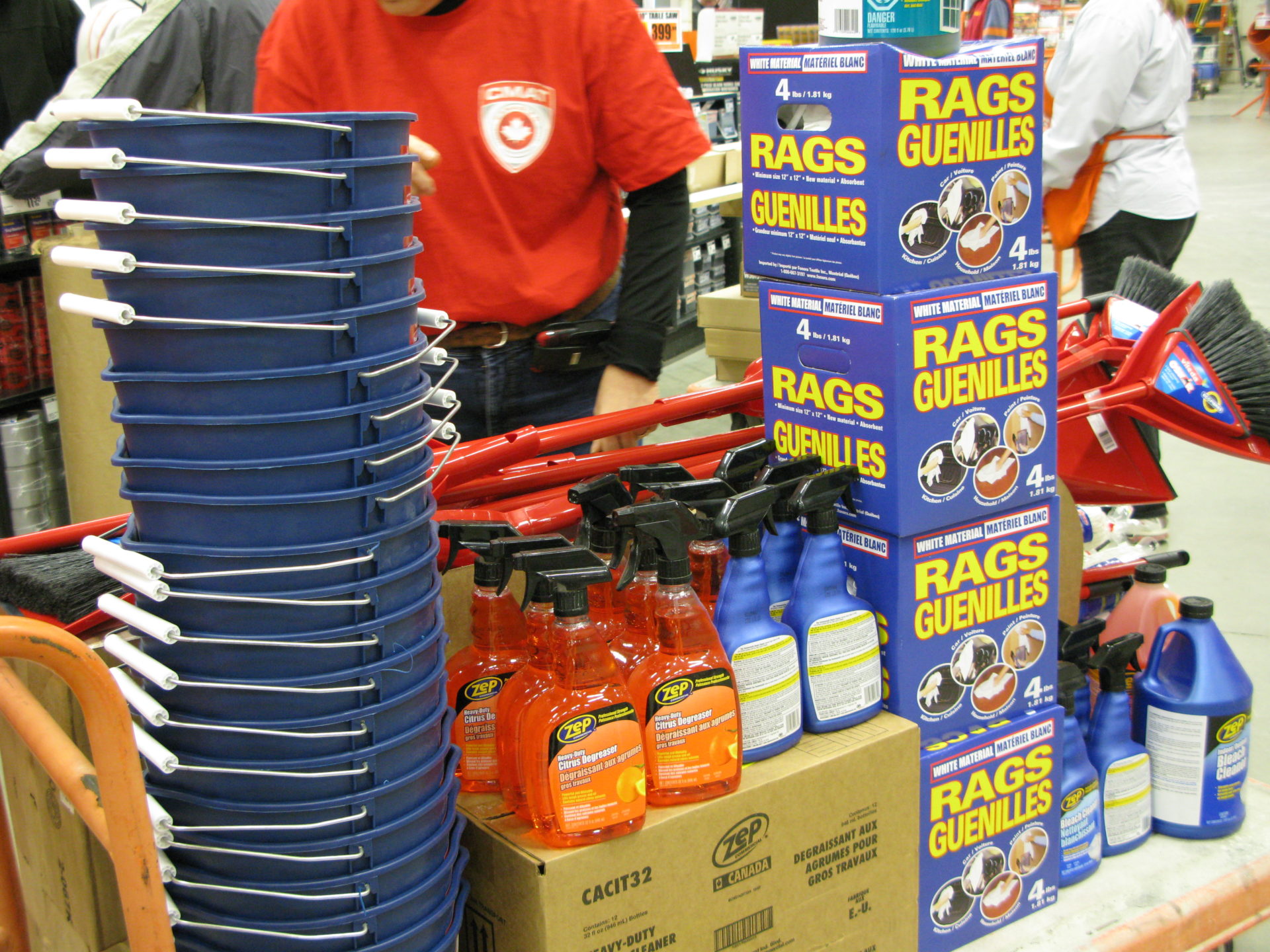
In late September to early October 2010, the Canadian Medical Assistance Teams (CMAT) activated in response to a fire, aligning its timeline with the municipal response and resident re-entry phases. The mission aimed to rapidly identify non-food item (NFI) needs for displaced households, procure and distribute household clean-up and recovery kits to reduce post-fire health risks such as exposure to smoke and soot particulates, and complement rather than duplicate the work of municipal authorities and the Canadian Red Cross. A volunteer team purchased, assembled, and delivered clean-up kits sourced from Home Depot, distributing 40 kits in the first tranche to support safe cleaning and re-occupation of smoke- and soot-damaged dwellings, while a targeted donations appeal raised funds for essential items — diapers, toiletries, and underwear — for evacuees registered at local reception centres, based on needs flagged by community partners. Throughout, CMAT designed its activities to complement the City of Toronto, Toronto Community Housing, and Canadian Red Cross operations at reception centres, avoiding duplication and focusing on immediate household recovery, with public updates from Toronto Community Housing guiding the timing of support and phased re-entry.
References
1. CityNews. Highrise blaze leaves 1,200 homeless. 25 Sep 2010. Available from: https://toronto.citynews.ca/2010/09/25/highrise-blaze-leaves-1-200-homeless/
2. CityNews. Cigarette butt sparked fire at 200 Wellesley: fire marshal. 5 Jul 2011. Available from: https://toronto.citynews.ca/2011/07/05/cigarette-butt-sparked-fire-at-200-wellesley-fire-marshal/
3. Toronto Community Housing. Toronto Community Housing takes over management of 200 Wellesley St. E. News release. 5 Oct 2010. Available from: https://www.newswire.ca/news-releases/toronto-community-housing-takes-over-management-of-200-wellesley-st-e-545675312.html
4. Canadian Medical Assistance Teams (CMAT). CMAT provides Toronto fire victims with much‑needed clean up and recovery kits. 8 Oct 2010. Available from: https://cmat.ca/cmat-provides-toronto-fire-victims-with-much-needed-clean-up-and-recovery-kits/
5. CMAT. CMAT appeals for support for local residents displaced by the fire at 200 Wellesley St. East, Toronto. 28 Sep 2010. (Internal press release).
6. Canadian Medical Assistance Teams. Field Operations Guide. 2nd ed. 2012.
7. CMAT. Intro letter to J. Armand Bombardier Foundation. 28 Feb 2013.
Deployment Documents
Partners
- City of Toronto
- Toronto Community Housing
- Canadian Red Cross
Key Statistics
| Metric | Result | Source |
|---|---|---|
| Operations period (initial relief) | Sep 28 – Oct 8, 2010 (11 days) | Anchored by CMAT appeal (Sep 28) and initial kit distribution update (Oct 8).⁵,⁴ |
| Primary location(s) | 200 Wellesley St E & nearby reception/community centres | Wellesley Community Centre served evacuees during initial displacement.¹ |
| Resource type(s) deployed | Non‑Food Items (NFI): clean‑up & recovery kits; targeted cash‑based purchasing | Procured locally to meet immediate household needs.⁴,⁵ |
| Kits distributed (initial tranche) | 40 households supported | CMAT update (Oct 8, 2010).⁴ |
| Coordination | Aligned with City of Toronto / Toronto Community Housing; complement to Canadian Red Cross sheltering | No duplication of shelter or case management services.³,¹,⁵ |